
What is Dry Eye Disease?
Dry eye disease is a common and often underdiagnosed condition that can cause discomfort, blurry vision, and eye fatigue. One of the leading causes is Meibomian Gland Dysfunction (MGD) – a problem with the tiny oil-producing glands in the eyelids. These glands secrete oils that prevent tears from evaporating too quickly. When they become blocked or stop functioning properly, the tear film becomes unstable, leading to dryness and irritation.
Dry eye disease isn’t just a problem for adults – it affects all ages, including children. Screentime, reduced blinking, allergies, hormonal changes, inflammatory diets, lack of hydration, cold & windy environments, and contact lens use are all factors that contribute.
How Do I Know if I have Dry Eye?
Even if you don’t have noticeable symptoms, early detection of MGD is essential. We use modern infrared imaging technology called meibography (see image below) that allows us to see and assess these glands, hopefully before significant damage occurs since any damage that occurs cannot be reversed.
Catching MGD early helps preserve gland function and can prevent chronic dry eye from developing later. Chronic dry eye is the leading cause of eye pain/discomfort that we see in our clinic. Left untreated, dry eye can impact learning, work, focus, and daily comfort. In severe cases, it can cause corneal ulcers on the eye leading to painful blurry vision and even blindness.
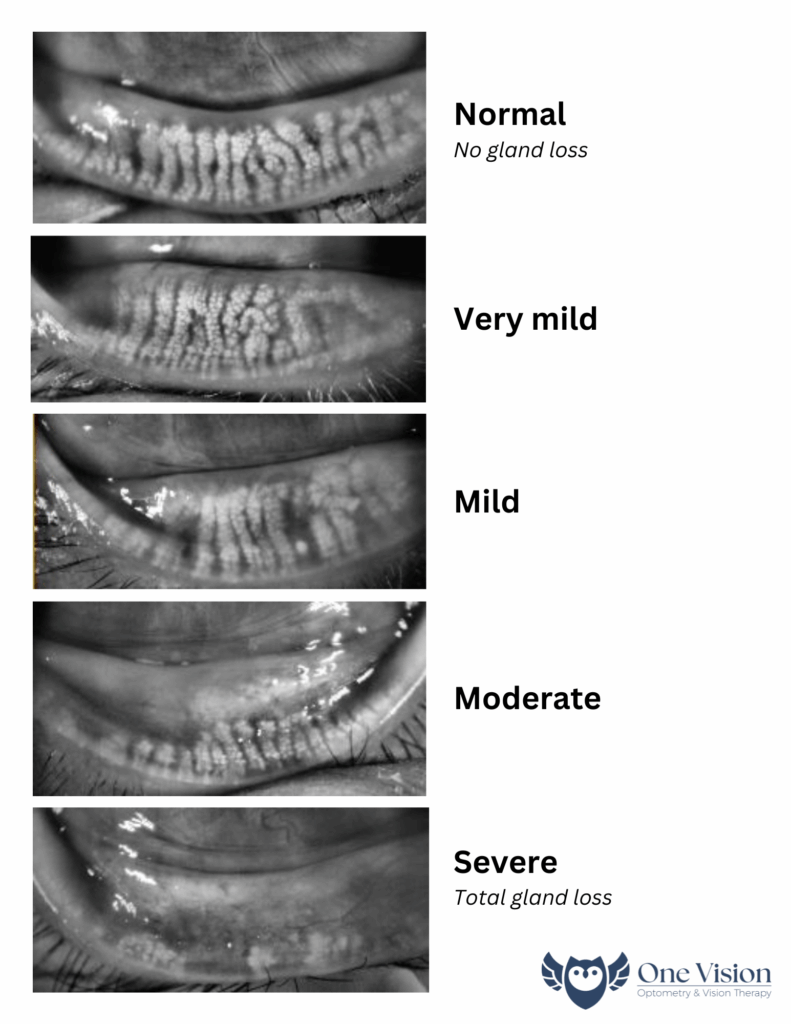
The meibomian glands are tube-like structures seen in the eyelids. They are not visible to the naked eye, and can only be seen with meibography. The goal of treatment is to prevent severe gland loss – once as gland is damaged and lost, it cannot be restored.
Can It Be Cured? How Do I Treat It?
While dry eye cannot be cured, the symptoms can be managed and we can prevent it from getting worse. Treatment depends on the severity of the condition. For mild cases, warm compresses, eye drops, eyelid hygiene, and omega-3 supplements can help. Moderate to severe cases benefit most from in-office treatments that unclog glands and restore oil flow. The most effective options are Intense Pulsed Light (IPL) and Low-Level Light Therapy (LLLT), which are non-invasive tools that use light energy to reduce inflammation and improve gland performance.
Early evaluation and treatment of MGD can make a lasting difference in protecting your comfort, vision, and long-term eye health.
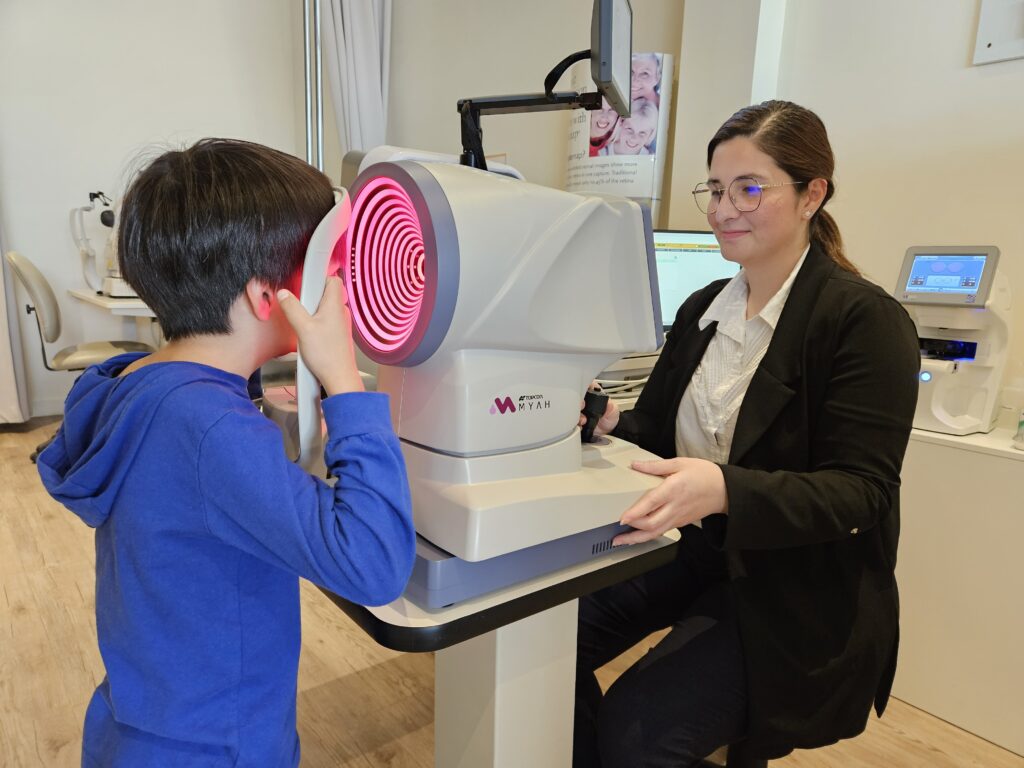
Meibography can be performed on almost anyone – including most children! It is a non-invasive test that uses infrared light, and does not use any radiation. All the patient sees are bright rings of light looking in.
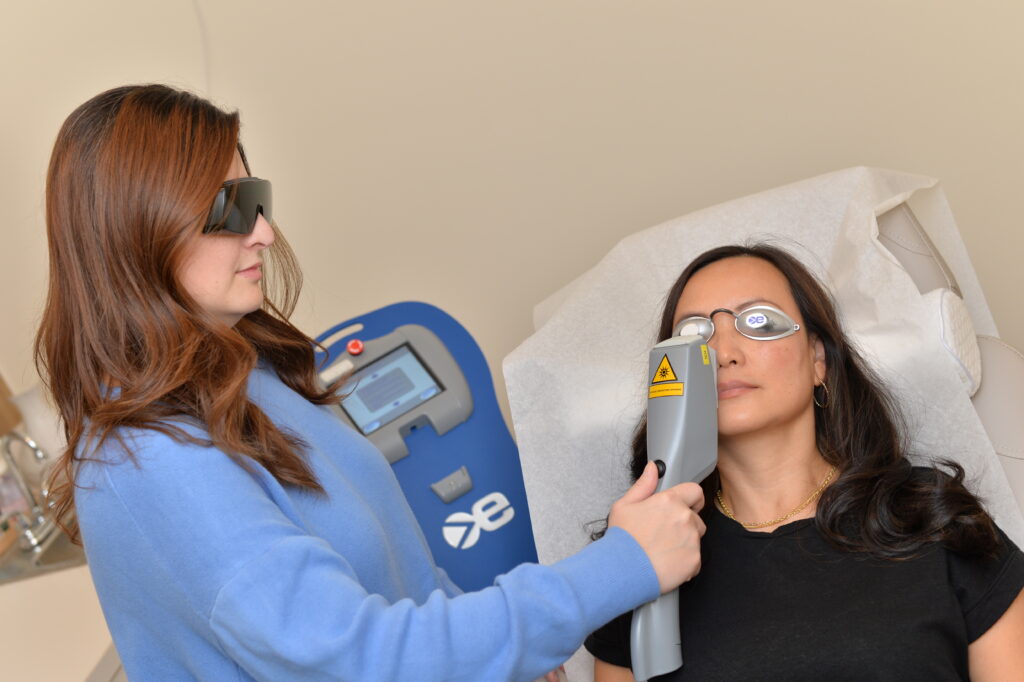
IPL is a non-invasive treatment performed in-office using intense pulse light to reduce gland inflammation and improve oil production, resulting in better tears that coat your eye’s surface.